The landscape of forecasting and public consensus has shifted dramatically in 2026. What was once a niche sector for data scientists and specialized traders has evolved into mainstream financial infrastructure. As global prediction market volumes shatter historical records, a new wave of mobile-native platforms is emerging to make forecasting accessible to the everyday user.
What Is a Prediction Market?
At its core, a prediction market is an exchange where individuals can trade contracts based on the outcome of future real-world events. Participants purchase shares in a specific outcome, effectively pooling their insights to generate highly accurate, crowdsourced probabilities on everything from macroeconomic shifts to pop culture phenomena.
Unlike traditional sportsbooks that often charge a high margin or “vig” (frequently around 10%), prediction markets operate as peer-to-peer exchanges. This structural difference allows for much lower fees, often sitting around 2% on major networks. Furthermore, prediction markets are increasingly recognized and regulated as event contracts by entities like the CFTC, distinguishing them fundamentally from standard gambling platforms and allowing participants to trade in and out of positions before an event concludes.
By 2026, this model has seen explosive global adoption. Industry data shows that combined monthly trading volumes across dominant platforms like Kalshi and Polymarket surged from under $5 billion in September 2025 to approximately $24 billion by April 2026. This momentum culminated in a record-breaking $31.2 billion in May 2026. Whether users are forecasting the results of the 2026 US Midterm Elections, the agricultural impacts of El Nino on commodities markets, or the outcomes of the 2026 FIFA World Cup, prediction markets have become a primary tool for gauging global sentiment.
Where Swipe1 Fits In 2026
While incumbent platforms have successfully proven the viability of the prediction market industry, they often cater to specific, highly technical demographics. Kalshi processes over $1 billion in annual volume with roughly 40% originating from institutional players, while Polymarket serves as a heavily utilized trading hub for crypto-native users, generating over $2 billion annually on the Polygon network. As the industry matures and expands, a gap has opened for simpler, mobile-first applications tailored for everyday social users—a space that the Swipe1 prediction market is actively building for.
How Swipe1 Works: The Mobile-Native Approach
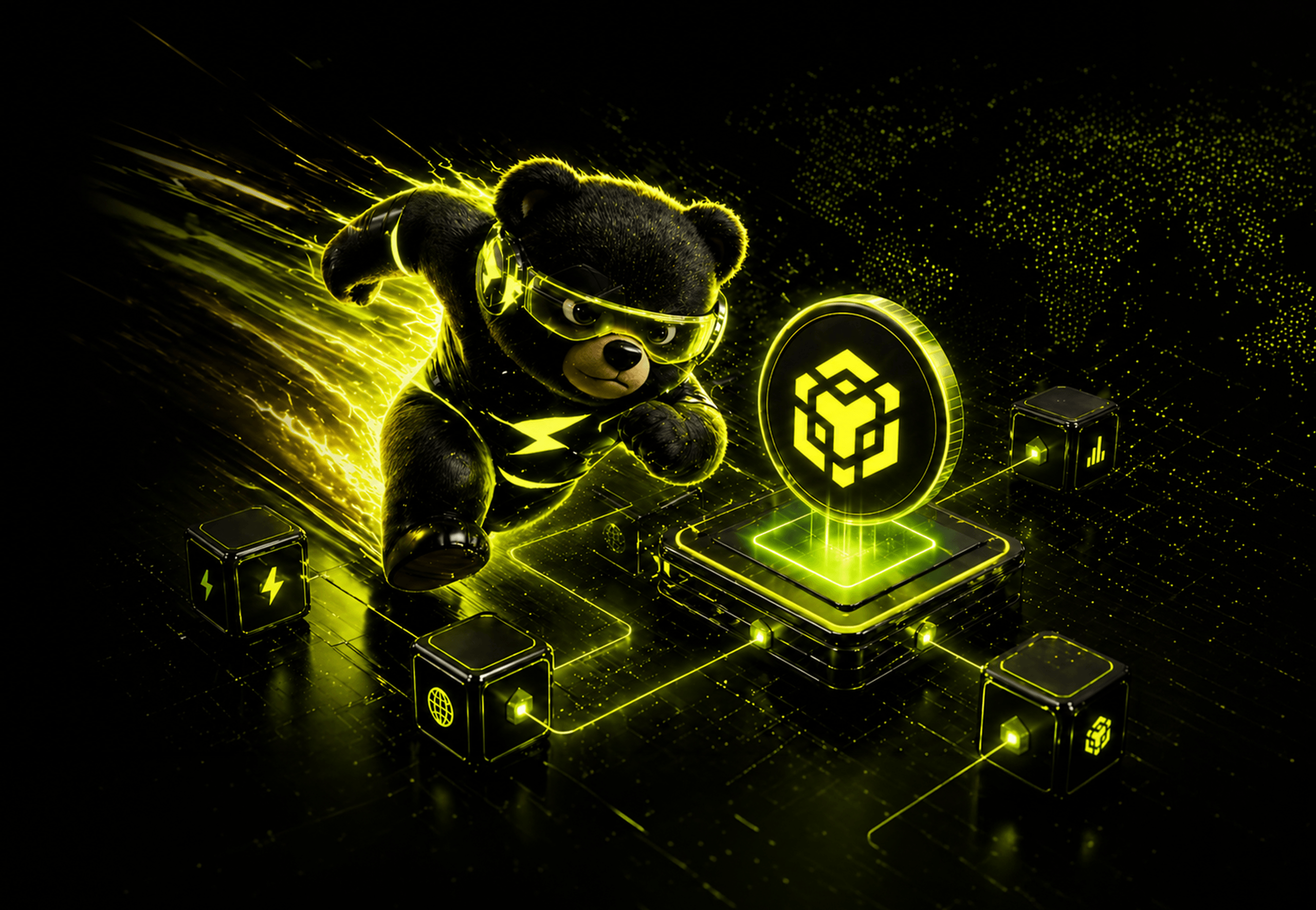
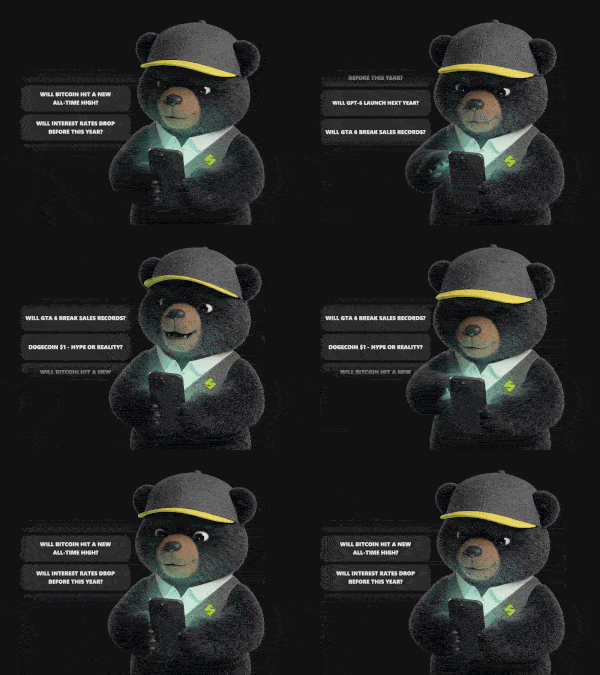
Swipe1 is a mobile-native prediction market app designed around a familiar, frictionless interface. Built on the BNB Chain to ensure fast, scalable, and low-cost interactions, the platform simplifies forecasting into a single action: users view a prediction question, swipe left for “YES,” swipe right for “NO,” or swipe up to skip. Operating under the banner of “Predict the Future in a Swipe,” the Swipe1 app removes the intimidation factor of complex trading terminals.
The platform offers a non-custodial environment where users can easily log in using either a standard Gmail account or a Web3 wallet. Swipe1 covers real-world events across diverse categories like Crypto & Finance, Sports, Politics, AI & Technology, and Pop Culture. By turning complex global events into simple, interactive questions, the platform embodies the #JUSTOPINIONS movement, transforming casual thoughts into structured market insights.
Swipe1 vs Polymarket and Kalshi
When comparing Swipe1 vs Polymarket or Swipe1 vs Kalshi, the primary distinction lies in user intent and platform mechanics. While major platforms focus on high-volume trading and financial speculation, Swipe1 positions itself as a social, gamified alternative for casual engagement. The following table highlights these structural differences (see our full Kalshi vs Polymarket breakdown for a deeper dive):
| Feature | Swipe1 (Season 0) | Polymarket | Kalshi |
|---|---|---|---|
| Primary Focus | Social forecasting, Free2Earn | Decentralized trading | CFTC-regulated event contracts |
| Target Audience | Everyday mobile users | Crypto-native traders | Retail & Institutional traders |
| Interface | Mobile swipe mechanics | Trading terminal | Financial exchange dashboard |
| Barrier to Entry | Free (No deposit required) | Requires crypto deposit | Requires fiat deposit |
Swipe1 Points and Early Access
Currently in its Season 0 Beta phase, Swipe1 operates under a Free2Earn model. Users do not need to deposit funds to participate. Instead, platform engagement is driven by an internal energy system, daily tasks, and community activity centered around the BearDAO community and its official mascot, SwipeBear.
Users who join Swipe1 early access can earn Swipe1 Points through their daily forecasting activity, referral rebates, and by utilizing Boost Cards (which offer multipliers like x3, x5, or x10). These activities contribute to a user’s Swipe1 Airdrop Score on the platform’s leaderboard. It is crucial to note that Swipe1 Points are designed purely to gamify platform engagement; they do not represent real-world monetary value, and there is no guarantee of future token valuation or airdrops.
As the broader prediction market sector continues to expand globally, Swipe1 stands out by attempting to make forecasting a daily, engaging habit rather than a high-stakes trading endeavor.
Disclaimer: The information provided on this page is for informational and entertainment purposes only and does not constitute financial, investment, trading, or tax advice. Swipe1 is not an investment adviser, broker, or exchange. Prediction markets involve speculative activity and inherent risks, including the potential loss of participation value, blockchain and smart-contract risks, and regulatory uncertainty. Users must be 18 years of age or older to participate. Swipe1 Points and platform rewards do not hold inherent monetary value, and there is no guarantee of future tokens, financial returns, or airdrop value.